Different Speeds, Same Squad: Keeping Your Ubisoft Co-op Crew Together Without Spoiling the Story
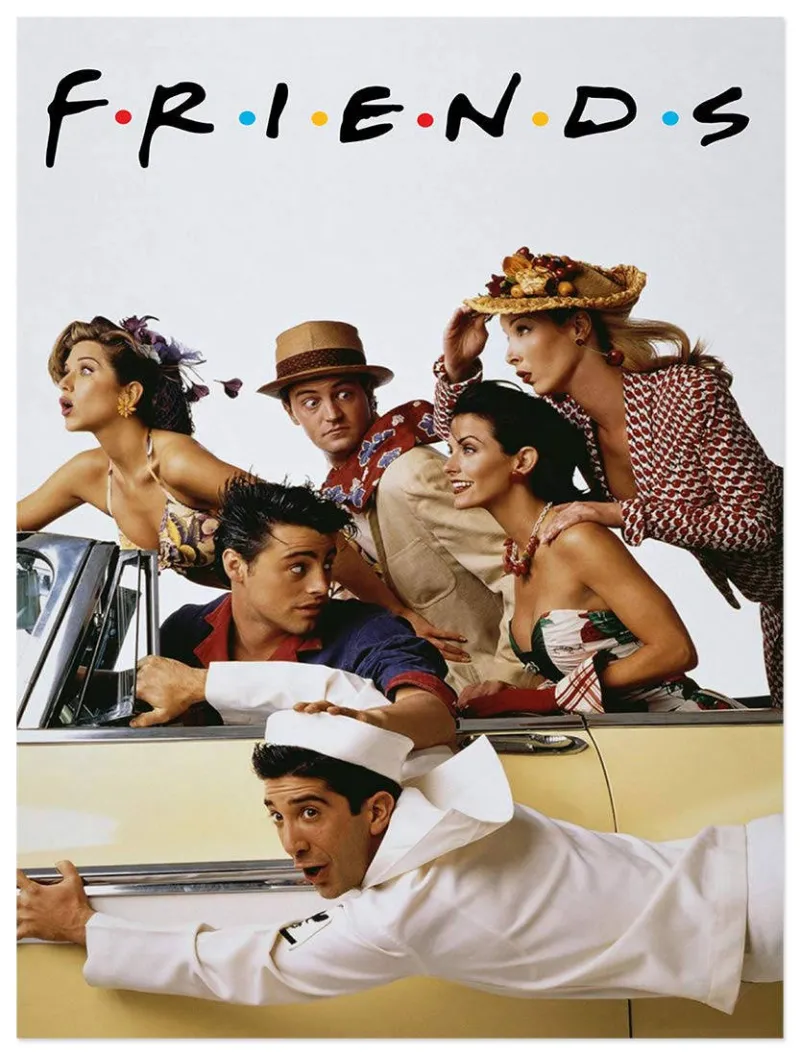
Photo: friends playing co-op video game together headsets living room, via wallpapers.com
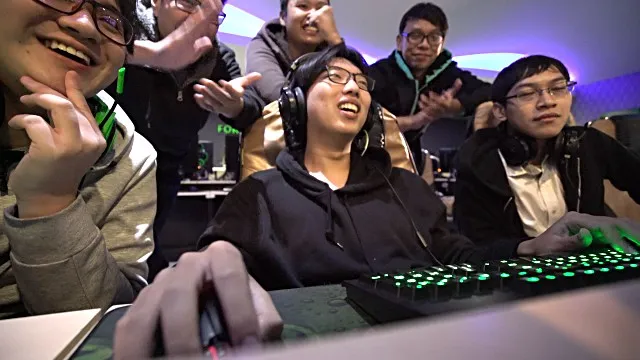
Co-op with friends is basically a group project with better lighting. Everyone says they are in it together. Then someone finishes the whole campaign over the weekend, someone else is still on the tutorial island, and the group chat starts getting passive-aggressive about spoilers. The good news is that mixed pace is not a fatal flaw in a Ubisoft squad. It is a scheduling problem, and scheduling problems can be solved.
The trick is to stop treating 'playing together' as the same thing as 'playing at the exact same speed.' Those are different promises. One is about sharing time. The other is about sharing a checklist. If you can separate them, your crew can survive different schedules, different appetites, and that one friend who treats every side activity like a personal calling.
Start With a Spoiler Covenant
Before anyone loads into a co-op campaign, have the awkward five-minute conversation. What counts as a spoiler? Are we allowed to talk about mission names? Can someone say 'wait until you get to the part with the boat'? Is a screenshot fair game if it has no context?
The best spoiler covenant is specific and a little goofy. Maybe the rule is: no story beats in the group chat, no mission names in voice chat unless everyone has cleared them, and no 'you are going to love what happens next' teasing. That last one is a spoiler in disguise. People know exactly what you mean.
Write the covenant down somewhere. A pinned message works. So does a party bio. The point is not to be corporate about it. The point is to make the rule visible so nobody has to be the spoiler police every time a conversation drifts.
Ubisoft co-op games make this easier in some ways and harder in others. The Division 2 lets friends drop into missions with level scaling, but the story still has an order. Ghost Recon Wildlands and Breakpoint let a squad roam a huge map with plenty of room to wander, but the mission board can push people ahead. Far Cry co-op is built for drop-in chaos, but the host's story progress is the one that matters. Knowing which game has which quirk saves a lot of grief.
Use Checkpoints as Meeting Rooms
If your crew wants to experience the story together, agree on checkpoint stops. Think of them as meeting rooms. Everyone plays up to the same mission or region on their own time, then the group meets there for the co-op night. Nobody has to wait around while someone else grinds. Nobody has to redo a mission they already finished.
Checkpoint scheduling works best when it is visible. A shared note, a Discord channel, a group chat pinned message. Something like: 'This week we are doing the first three missions in the new region. Do not go past the bridge mission.' That gives the racers a lane to run in and the slower players a clear target.
It also helps to schedule the group sessions around the story and let people freelance outside them. That way the friend who only shows up for story missions still feels like part of the main event, and the friend who plays every night does not have to sit on their hands for a week.
Let the Racers Race, but Give Them a Job
The friend who finishes everything early is not automatically the enemy. They just have more time or more appetite. Give them a role that does not spoil the group. Maybe they scout side missions, gather resources, or test builds. Maybe they become the crew's unofficial guide for the next region. In The Division 2, that could mean checking the best route through a stronghold. In Ghost Recon, it could mean marking collectibles or scouting enemy layouts.
If they want to play the story ahead, that is fine as long as they respect the covenant. They can talk about mechanics, builds, and funny bugs. They just cannot narrate the plot. A racer with a job stays engaged without turning into a spoiler dispenser.
Build Side-Quest Side Crews
Not every session has to be the main campaign. Mixed-progress lobbies get a lot more fun when there are parallel activities that do not depend on story state. Side quests, open-world activities, PvP modes, and exploration are perfect for this. In Far Cry, one crew can hunt outposts while another does story missions. In The Crew Motorfest, the whole point is to jump into races and playlists without worrying about who is where in a narrative.
This is the 'side-quest side crew' approach. The main storyline gets its scheduled nights. Everything else is drop-in. People can join late, leave early, or play at their own speed without derailing the plot. It keeps the lobby alive on nights when only two people are available and they are at completely different points.
Do Not Make the Laggers Feel Like a Chore
The fastest way to break a mixed-progress squad is to make the slower players feel like a burden. No sighing when someone needs a recap. No 'we already did this' energy. No rushing them through cutscenes. If the group agreed to meet at a checkpoint, the group waits at the checkpoint.
On the flip side, slower players should be honest about their pace. If you are not going to play for two weeks, say so. If you want to skip a side region, say so. The squad can plan around honesty. It cannot plan around silence.
Keep a Progress Board, Not a Scoreboard
A progress board is not about ranking people. It is about knowing where everyone stands so nobody has to guess. A simple shared list works: player name, current region, last completed story mission, availability. It sounds nerdy. It also prevents about 80 percent of the 'wait, where are you?' conversations that eat into game night.
The goal is not to force everyone into the same lane. The goal is to make sure the crew still has a reason to load into the same lobby. Different speeds are fine. Different directions are fine. Resentment is what kills the squad. A little structure keeps the group project from turning into a group argument.