Free vs. Paid: How to Actually Figure Out Which Ubisoft Entry Point Is Worth Your While
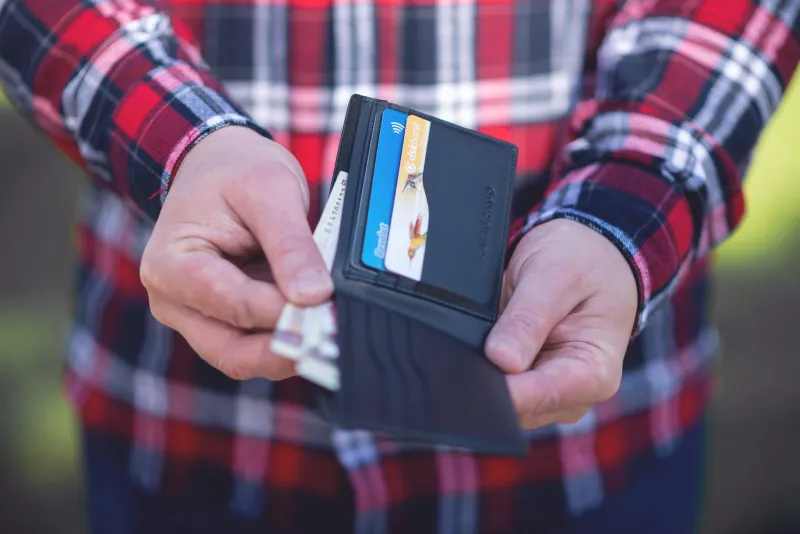
Let's start with the uncomfortable truth that nobody in a marketing department will say out loud: "free-to-play" is not a description of what a game costs. It's a description of what a game costs to download. What it costs to play — really play, in a way that feels complete and satisfying — is a different question entirely, and the answer varies wildly depending on the game, your playstyle, and how much time you have to grind.
Ubisoft sits in an interesting position in this conversation. They operate both ends of the spectrum: fully premium titles with traditional pricing, free-to-play games built around cosmetic and seasonal monetization, and a subscription layer in Ubisoft+ that complicates the math even further. Understanding how these models actually play out for real players is more useful than any surface-level take about whether F2P is good or bad.
So let's break it down honestly.
The Real Math on Free-to-Play
Rainbow Six Siege went free-to-play in 2022, and it's the clearest case study Ubisoft has for how F2P works at scale. The base game is genuinely free — you can download it, play the core modes, and get a real sense of the game without spending anything. That's not a trick. The game is fully playable without a credit card.
But here's where the math gets interesting. Siege's operator system means that unlocking the full roster — which matters competitively, because different operators have different abilities — requires either grinding Renown (the in-game currency earned through play) or spending R6 Credits (the premium currency purchased with real money). A new player grinding Renown to unlock operators is looking at dozens of hours of play before they have access to the same toolkit as a player who spent money.
Is that unfair? That depends on your definition. The grind is real, but it's not insurmountable, and Ubisoft has adjusted the unlock costs over time to make the free path more viable. For a player with limited cash but plenty of free time — a high schooler, a college student, someone between jobs — the F2P model is genuinely workable. For a working adult with limited play hours, the time cost of grinding operators might actually make spending money the more rational choice.
What You're Actually Buying With a Premium Title
On the other side of the equation, a premium Ubisoft title — your Assassin's Creed Mirage, your Avatar: Frontiers of Pandora — asks for a larger upfront investment but delivers a more complete experience out of the box. You pay $60-$70, you get a full game, and the content you're paying for is right there on the disc (or in the download).
But "premium" doesn't mean "no additional spending." Most premium Ubisoft titles still have season passes, DLC packs, and cosmetic microtransactions layered on top of the base price. If you're the kind of player who wants the complete experience — all the story content, all the cosmetics, the full package — a premium title can end up costing $100+ by the time you factor in the Year 1 pass and any standalone DLC.
The counterargument is that you can ignore all of that. A premium Ubisoft game's base content is genuinely substantial — Assassin's Creed Valhalla without any DLC is already a 60-80 hour game. The additional spending is optional in a way that operator unlocks in a competitive game are not. You can 100% the base game, put it down, and feel like you got your money's worth without ever touching the season pass.
The Ubisoft+ Variable
This is where things get genuinely complicated. Ubisoft+ (currently $17.99/month in the US for the Premium tier) gives subscribers access to an enormous library of Ubisoft titles across platforms, including new releases on day one. If you're the kind of player who wants to try a lot of different Ubisoft games without committing to full purchase prices, the math can work in your favor pretty quickly.
One new release at $70 costs more than four months of Ubisoft+. If you play two or three new titles a year and regularly revisit older ones, the subscription model is almost certainly cheaper than buying individually. But — and this is important — a subscription doesn't give you ownership. If you cancel, your access disappears. For games you want to return to indefinitely, that's a meaningful limitation.
The sweet spot for Ubisoft+ is a player who consumes games at a moderate pace, enjoys variety, and doesn't feel a strong need to own their library permanently. It's a particularly good deal for players who want to try a franchise before committing to it — play 20 hours of The Division 2 on Ubisoft+, decide if you love it, then decide whether to buy it outright.
Matching the Model to the Player
Here's the honest framework for figuring out which Ubisoft entry point makes sense for your situation:
You should lean F2P if: You have more time than money, you're genuinely curious about a competitive game but not ready to commit financially, or you're a grind-oriented player who finds the unlock progression satisfying rather than frustrating.
You should lean premium if: Your gaming time is limited and you want a complete experience without friction, you prefer single-player or co-op content over live-service multiplayer, or you've already tried an F2P title and know you love it enough to invest.
You should consider Ubisoft+ if: You play multiple Ubisoft titles per year, you want access to new releases without full purchase prices, or you're actively exploring the catalog and haven't settled on your main game yet.
You should be cautious if: You're a completionist who will feel compelled to unlock everything in an F2P game — the cost can spiral fast. Similarly, if you're buying a premium title with a big season pass and you're not sure you'll finish the base game, you're probably overspending.
The Bottom Line
The best Ubisoft entry point isn't the cheapest one — it's the one that matches how you actually play. A free-to-play game that charges you in frustration and grinding time isn't actually free. A premium game that sits unfinished in your library isn't actually good value. And a subscription you're paying for while only playing one game is just an expensive way to buy a single title.
Know your habits. Be honest about your schedule and your budget. And don't let the word "free" make the decision for you — because in gaming, like most things, you're always paying something.