When the Battle Pass Hits Different for Everyone in the Lobby

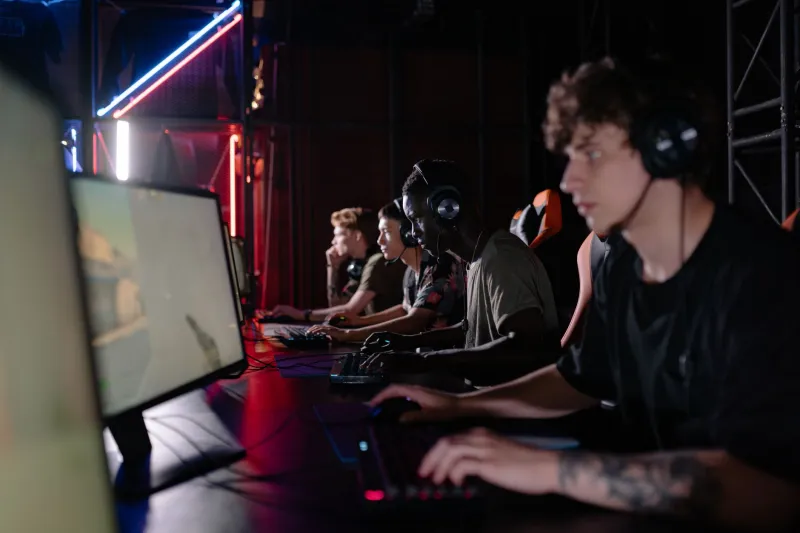
Photo: friends gaming together looking at screen with in-game store purchase, via img.freepik.com
Let's be real for a second. There's a specific kind of awkward silence that happens in a Discord call when the new season drops and half your crew is already rocking the fresh operator skins while the other half is still running the default look from two years ago. Nobody says anything. But everybody notices.
This is the lounge tax — the invisible cost of staying current in Ubisoft's multiplayer ecosystem when your squad doesn't all have the same financial runway. And it's more complicated than just "spend money or don't." It's about belonging, keeping up, and whether your crew can actually stay together when seasonal monetization keeps drawing new lines in the sand.
The Numbers Don't Lie
Let's talk specifics. Rainbow Six Siege's Battle Pass typically runs around $10 for the premium tier per season, with four seasons a year. That's $40 annually just to stay in the cosmetic conversation for one game. Stack that against For Honor's seasonal Steel rewards system — where Steel, the in-game currency, can be earned through play but premium content still requires real money — and you've got multiple Ubisoft titles each quietly asking for a cut of your monthly budget.
For Honor's cosmetic bundles can run anywhere from a few hundred Steel (earnable) to several thousand for premium effects and full character outfits that require actual cash conversion. Meanwhile, Siege has historically bundled operator unlocks with cosmetics in ways that blur the line between gameplay value and aesthetic flex, which makes the "just skip the cosmetics" advice harder to follow when the operator you actually want to play is locked behind a premium bundle.
Ubisoft Connect subscriptions add another layer. Ubisoft+ at roughly $17.99 per month gives access to a wide library and some in-game perks, but not everyone in a five-person squad is going to be on it. So you've got one friend playing on a subscription, two who bought the game outright years ago, and two more who are waiting for a sale. Everyone's technically in the same lobby, but their financial relationship to the game couldn't be more different.
The Real Conversations Happening in Squads
Talk to players in the Siege or For Honor communities long enough and a pattern emerges. It's rarely about one person being cheap and another being a spender. It's about the slow accumulation of small pressures.
One Siege player described it this way: his crew of four had been playing together since Year 3. By Year 7, two of them had invested heavily in the game — premium passes, bundles, limited-time collections. The other two had kept spending minimal. The game still worked fine. But there was a growing divide in how invested everyone felt. The heavy spenders wanted to grind ranked and take things seriously. The lighter spenders were less emotionally invested and more likely to bail on the game between seasons. The financial commitment had quietly shaped how much everyone cared.
For Honor communities tell similar stories. The game's monetization is tied closely to hero customization, which is a huge part of the culture around the game. When someone can't afford the premium effects and color swatches that make a character truly feel like their own, the sense of ownership over their main shifts. And in a game where your hero is basically your identity, that matters.
Why Ubisoft's Model Creates This Tension Specifically
Not every game's monetization model creates this kind of squad friction. Games with purely cosmetic passes where nothing affects gameplay should theoretically be low-stakes. But Ubisoft's multiplayer titles have a few specific traits that make the divide feel sharper.
First, the social visibility of cosmetics is high. In Siege, you're staring at your operator's skin in the pre-round lobby every single match. In For Honor, your hero's look is front and center in every execution, every emote, every victory screen. These aren't background details — they're the face of your in-game identity, and everyone in the lobby sees them.
Second, seasonal FOMO is real and intentional. Limited-time bundles, battle pass items that expire, and event-exclusive cosmetics all create a ticking clock that pressures players to spend now or miss out permanently. That pressure doesn't land equally on everyone in your crew.
Third, Ubisoft's games tend to have long lifespans with active communities. Siege has been running for nearly a decade. For Honor is still getting content updates years in. The longer a game runs, the more the cosmetic wealth gap between heavy spenders and casual spenders compounds. Someone who's been buying every pass since launch looks very different from someone who just picked the game up on sale.
Practical Ways to Keep the Crew Together
None of this means your squad has to fracture over a battle pass. But it does mean being intentional about how you navigate it together.
Normalize the conversation early. The squads that handle this best are the ones where people are upfront about what they're willing to spend. If you know two people in your crew are on tight budgets, you don't hype up the new $20 bundle like everyone's going to grab it. Read the room and adjust the vibe accordingly.
Focus on what's earnable through play. Both Siege and For Honor have free tracks in their seasonal content. They're not as flashy, but they're real progression. Orienting your crew's goals around the free tier means everyone's working toward something without anyone feeling left behind.
Rotate who buys in. Some squads have worked out informal systems where different members go premium in different seasons, then share the enthusiasm and grind energy with the rest of the group. It's not a financial solution, but it spreads the "invested player" energy around.
Separate the game from the cosmetics. This sounds obvious, but it helps to actively remind yourselves that a default-skin Siege player and a fully-kitted one are doing the exact same thing in the match. The gameplay is the same. The cosmetics are the bonus, not the baseline.
Watch for burnout signals. When someone in your crew goes quiet between seasons, stops grinding, or starts skipping sessions — that's often a sign the monetization pressure is getting to them. Check in. Sometimes the fix is just acknowledging that the game's asking a lot and that nobody's obligated to keep up.
The Bottom Line
Ubisoft isn't unique in using seasonal passes and cosmetic monetization — it's industry standard at this point. But the specific way their live-service multiplayer titles bake identity and social visibility into those purchases means the financial divide hits differently inside a tight-knit crew.
The lounge tax is real. It's not always talked about, but it shapes how squads function over time. The good news is that awareness is most of the battle. Crews that can talk openly about spending, set expectations, and focus on the actual gameplay rather than the cosmetic arms race tend to stay together a lot longer than those who don't.
Your squad is worth more than a battle pass. Keep that energy in the lobby.